


An advanced injectable treatment to boost your skin naturally
Polynucleotides are an injectable regenerative treatment designed to improve skin quality, elasticity and hydration. Suitable for the face, eye area, neck, décolletage and hands, they work with your skin’s natural renewal processes to support healthier, stronger and more resilient skin.
Polynucleotides work by encouraging skin regeneration, stimulating your body’s natural cell renewal processes to repair and revitalise the skin.
With a course of treatment, visible improvements can often be seen within a few weeks, with results that can last up to 12 months depending on your skin type and age. A top-up treatment at six months helps to maintain and extend these results.
Polynucleotides are biocompatible and well tolerated, offering a regenerative approach for those looking to improve their skin quality without adding volume or changing facial features.


Before and two weeks after third treatment: Images courtesy of PhilArt
How we look after you and your skin
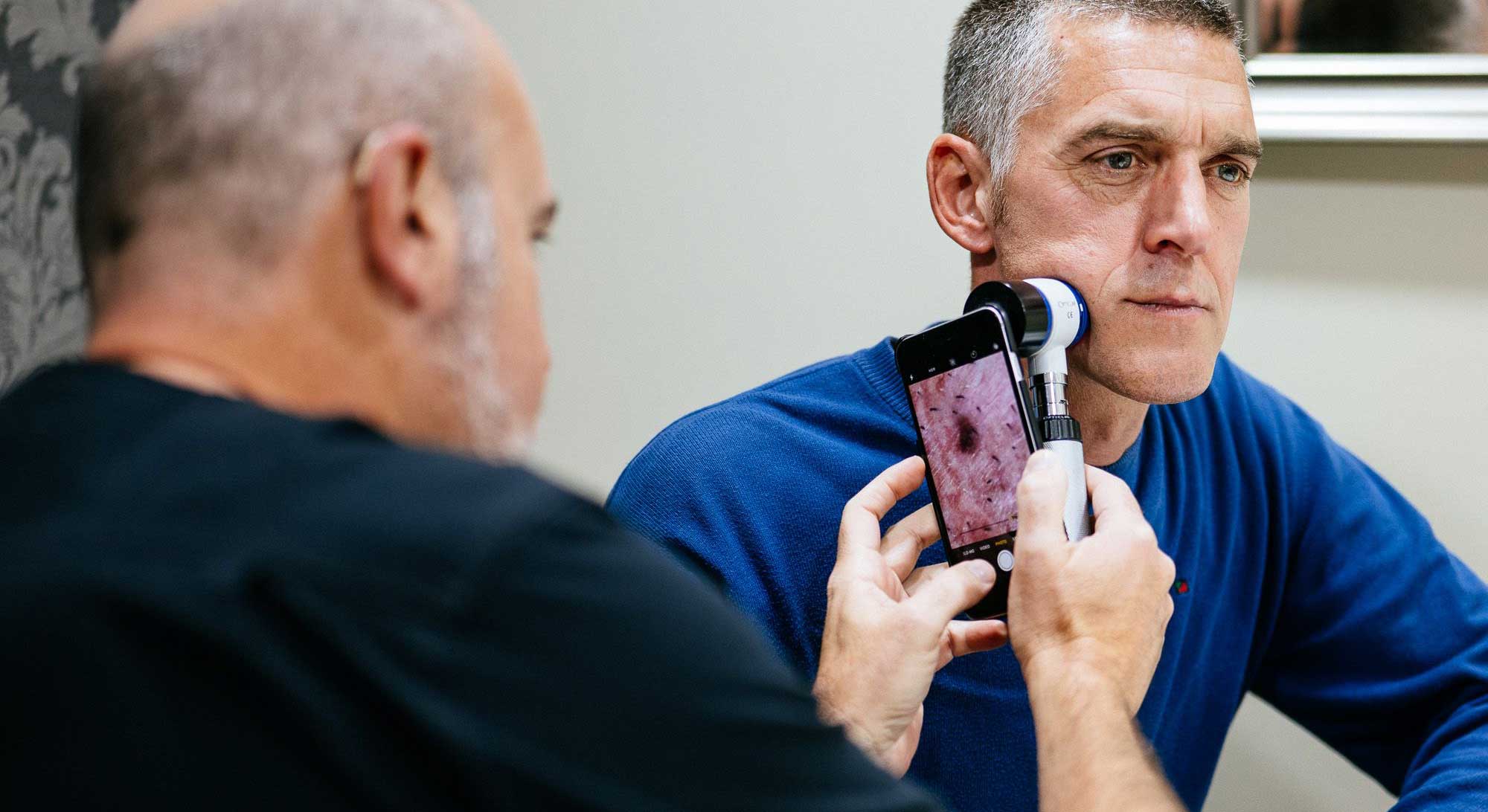
In-depth consultation
Your skin health comes first. Your clinician will examine the blemish carefully and, where appropriate, use a dermoscope for a closer look. If there is anything that needs further investigation, they will explain this and refer you appropriately rather than proceed with removal.

In-treatment comfort
Once your blemish has been assessed as clinically suitable for removal, your clinician will talk you through the procedure and what to expect. Treatment is carried out in our private clinic, with local anaesthetic where required, to keep you as comfortable as possible.

Private clinical setting
We understand that privacy and discretion can be important when having treatment. Our pristine clinic is tucked just out of town, with free and easy parking, a discreet entrance and private consultation and treatment rooms.

Dedicated aftercare
We’ll explain exactly how to care for the treated area and provide a post-procedure care pack where required. Your treatment includes a follow-up appointment to review healing, and if you have any concerns afterwards, our medical team is here to support you.


Frequently Asked Questions
Pre-treatment Consultation
Doctor Montero
- Skin health consultation and personalised treatment plan discussion.
Non-redeemable/non-refundable
Eyes OR Face OR Neck OR Hands
- Single treatment
–
Eyes OR Face OR Neck OR Hands from
- 3 treatments, 3 weeks apart
Top up = £295 per vial
Pre-treatment Consultation
Sophie Edwards
- Skin health consultation and personalised treatment plan discussion.
Non-redeemable/non-refundable
Eyes OR Face OR Neck OR Hands
- Single treatment
–
Eyes OR Face OR Neck OR Hands from
- 3 treatments, 3 weeks apart
Top up = £195 per vial
Polynucleotides and Skin Regeneration
Polynucleotides offer a regenerative approach to improving skin quality, hydration and elasticity.
Whether you’re looking to address signs of ageing, improve hydration and skin quality, or prepare your skin for other treatments, this injectable treatment supports the skin’s natural regenerative processes from within.
The Science Behind Polynucleotides
Polynucleotides are highly purified, biocompatible DNA-derived molecules. Once injected into the skin, research suggests they can:
- Support skin hydration
- Help support fibroblast activity and collagen production
- May help protect against oxidative stress
Clinical studies have reported improvements in skin texture, elasticity and the appearance of wrinkles following treatment, although research into their use in aesthetic medicine is still developing.
A Biocompatible Approach
Polynucleotides used in aesthetic medicine are commonly derived from highly purified fish DNA, including trout or salmon.
They are designed to be biocompatible and are generally well tolerated. Rather than adding volume in the way a traditional dermal filler does, polynucleotides are used to support skin quality and regeneration.
A Growing Evidence Base
Clinical research into polynucleotides in aesthetic medicine is growing, with studies reporting promising improvements in skin texture, elasticity and wrinkles.
Treatment is generally well tolerated, with reported side effects usually mild and temporary.
The Treatment Process
Treatment involves a series of small injections into the skin. Temporary redness, swelling, tenderness or bruising can occur around the injection sites, with these effects usually settling relatively quickly.
A course of 2–3 sessions spaced a few weeks apart is usually recommended for best results, with top-up treatments every 6–9 months to maintain skin quality over time.


