


Safe, effective treatment for unwanted blemishes on the face and body
Most skin blemishes are cosmetic rather than an indication of a more serious health issue, but they can still cause concern because of how they look or feel.
Minor skin blemish removal is no longer available on the NHS
Rather than putting up with blemishes that may affect how you feel about your skin, you can have them quickly and safely removed at Discover Laser.
Have them safely removed by our experienced medical practitioners, with treatment that achieves good cosmetic results and minimises scarring


Your NeoGen journey at Discover Laser

In-depth consultation
What do you see when you look in the mirror, and what would you love to change? We’ll combine an in-depth assessment with VISIA skin analysis to understand what’s happening beneath the surface, discuss what’s realistically achievable and tailor your NeoGen treatment accordingly.

Private clinical care
Your treatment takes place in our medical skin clinic, tucked away from town with easy parking, a private entrance and private treatment rooms. You’ll be looked after by an experienced member of our clinical team, following a treatment plan tailored to your skin.
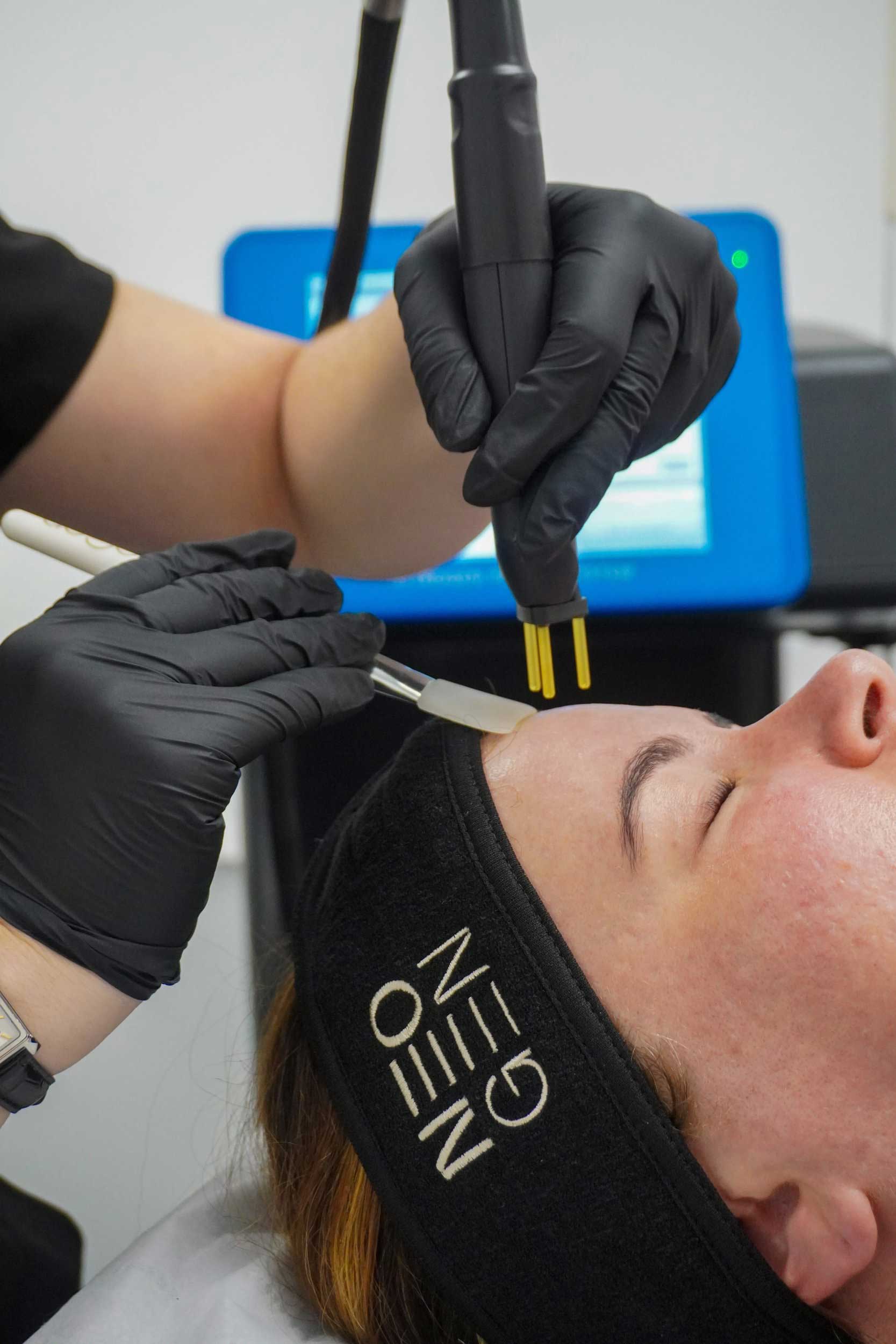
Treatment and aftercare
During treatment, precisely controlled NeoGen energy is delivered to your skin according to your treatment plan. Before you leave, we’ll explain what to expect as your skin recovers, how to look after it at home and when to contact us. Our clinical team is here for you around the clock.

Your results & follow-up
NeoGen EVO keeps working long after your appointment is over. As your skin renews and produces new collagen and elastin, your results will continue to develop. We’ll invite you back to review your progress, see how your skin has responded and discuss what comes next.





Frequently Asked Questions
Dermatology Consultation
Doctor Montero
- Dermoscopy exam, skin analysis, medical diagnosis and personalised treatment plan – incl. one follow up
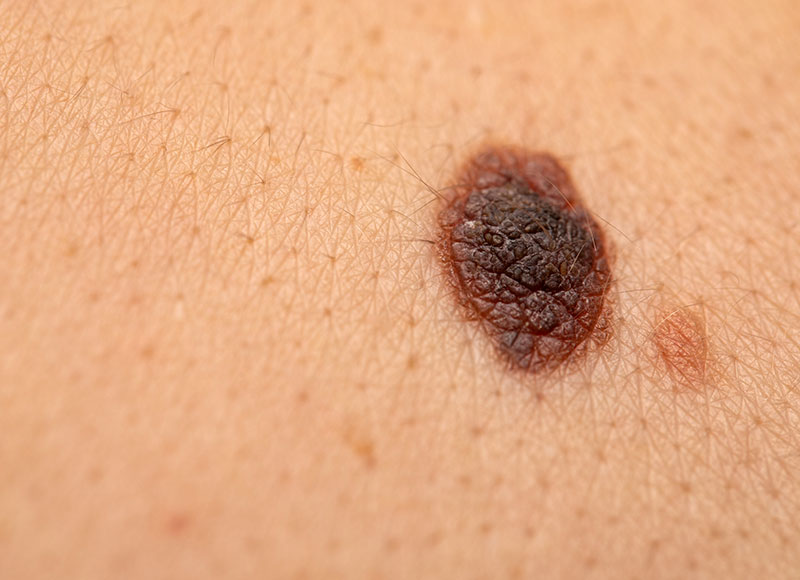
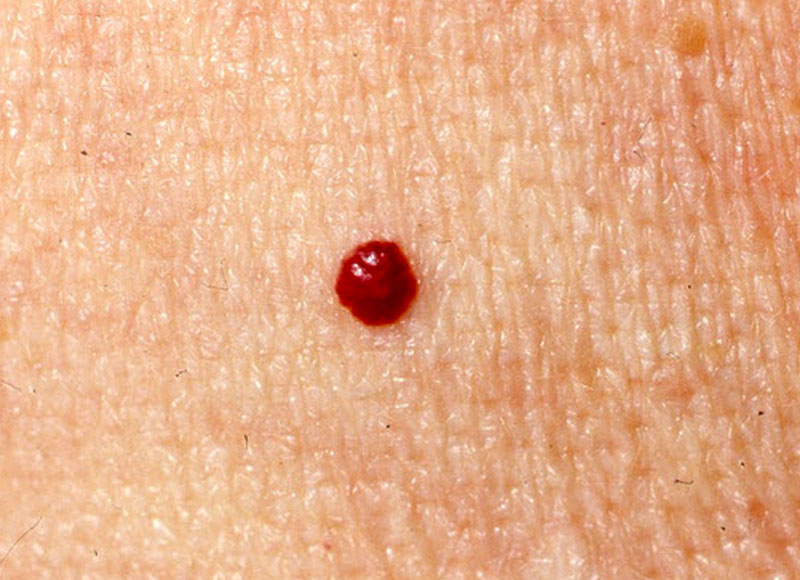
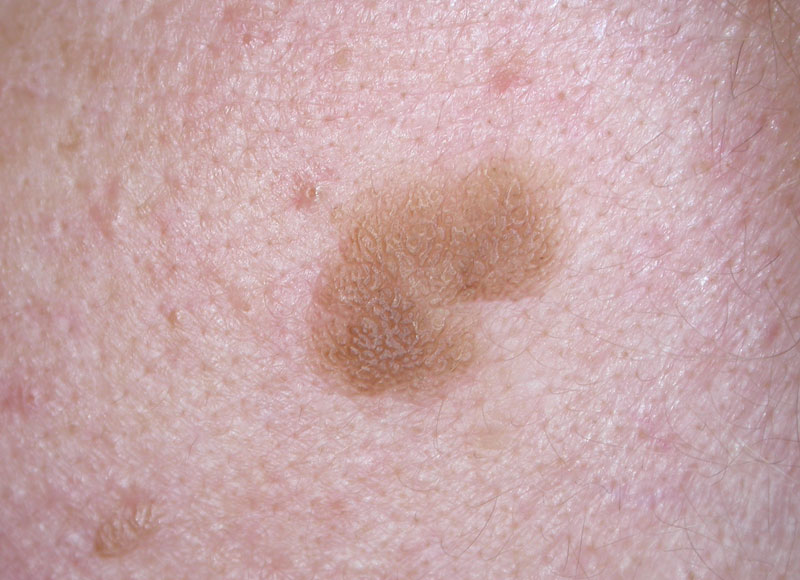
Skin Tags, Moles, Haemangioma, Cherry Angioma, Seborrhoeic Keratoses, Xanthelasma, Cysts, Lipoma
removal from
- Price and number of treatments on consultation.
Actinic Keratosis
removal from
- Price and number of treatments on consultation.
Meet with one of our Doctors to talk about your skin concerns
There is no need to be referred by your GP for treatment but you may wish to discuss it with them first. If you have any concerns regarding skin blemishes, especially moles, it is important to get them checked out immediately, particularly if you notice changes in shape, size, border or colour.
If you decide you would like treatment with us, you will have an initial consultation with one of our highly qualified aesthetic doctors. In this confidential and no-obligation meeting, you can discuss your concerns, expectations, treatment options and possible outcomes.
Our doctor will examine your skin in detail with a dermoscope during your consultation. This magnifies the skin and allows our experienced and knowledgeable doctors to spot potentially troublesome lesions which require a referral.
As members of the Primary Care Dermatology Society our doctors continues to receive dermoscopy training and are regularly updated with dermatological issues.
Take time to decide
After your consultation, we advise you to take time at home to make a considered decision about the treatment of your blemishes. If you choose to go ahead, we will make an appointment for your procedure that will remove them once and for all.
Come for safe, comfortable treatment in our private clinic
On the day of treatment, you will come to our private clinic in Burnley. Our doctor will review your treatment, take pictures of your blemish(es) and will go through a treatment consent form with you.
The area to be treated will be cleaned, injected with local anaesthetic if required and your chosen treatment carried out.
Our doctor will talk you through caring for the treated area and you will be given a post-procedure care pack if required. An appointment will be made for a two-week follow up, which is included in the cost of your treatment.
Look after your renewed skin
Our doctor will give you specific instructions about looking after your wound. It’s important to keep the wound site clean in the first 24-48 hours to reduce the chances of infection while it heals.
We advise you to:
- Keep the wound dry for 48 hours and then clean it gently daily
- Keep the scar out of the sun until it’s healed
- If the area where your skin lesion was removed gets increasingly painful, or becomes red and sore, you’ll need to let us know. You could have an infection in the wound and you may need to have some antibiotics.
- Your scar may be red and raised at first. It will gradually fade over several months.
Your skin health comes first
Almost all common skin blemishes are benign (non-cancerous), however, if you have a skin blemish that our doctor suspects may not be benign he can immediately refer you to our in-clinic Consultant Dermatologist for private treatment, or your own doctor for treatment on the NHS if your prefer.
When you have a skin tag, mole or cyst, the most important factor to consider is whether it is clinically safe for removal. This comes down to the expertise of the clinician doing the procedure and their knowledge of dermatology.


